The Turkish Lira Warning That Changed Everything
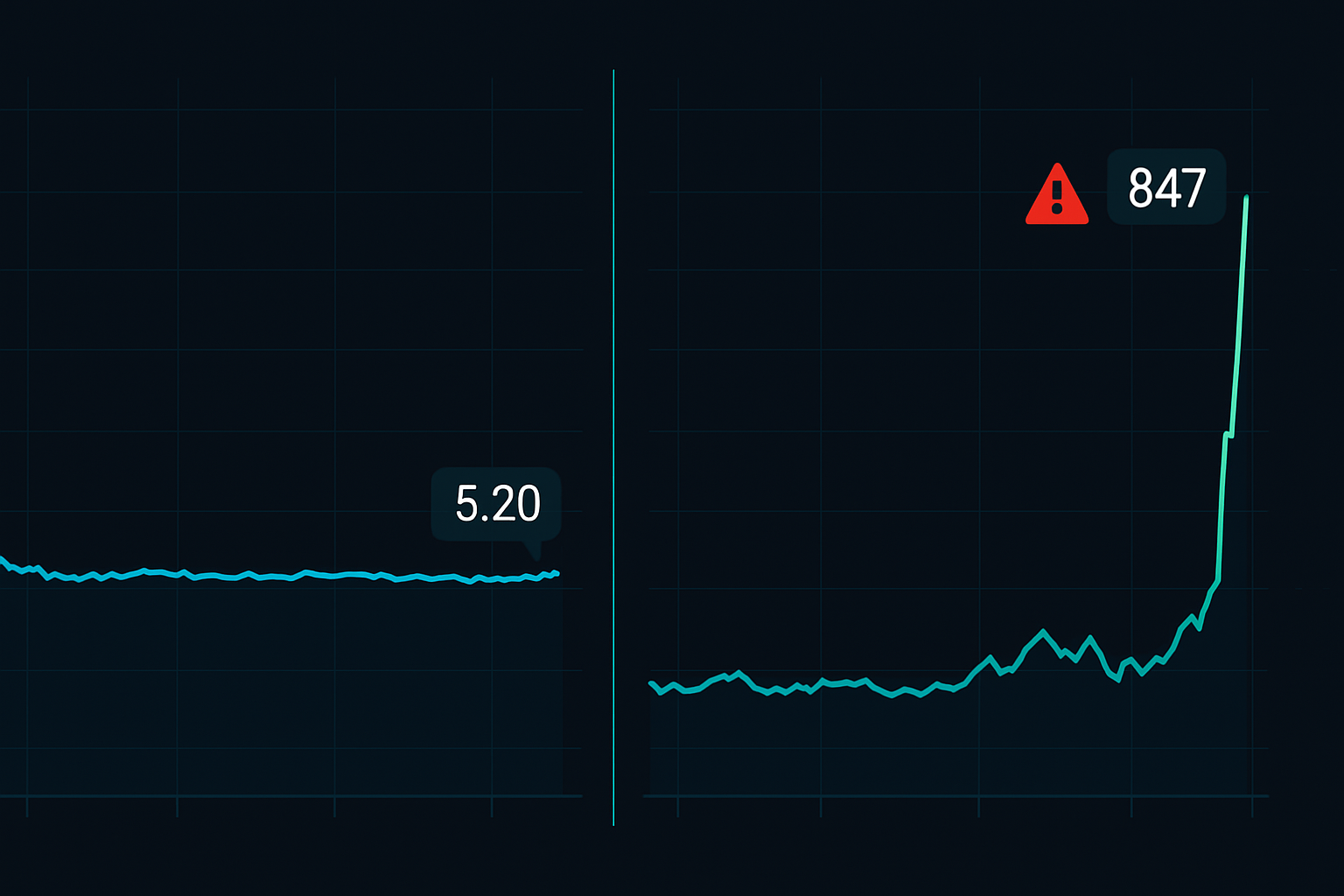
August 7, 2018, 4:47 PM London time. I'm watching USD/TRY overnight funding rates spike to 847 basis points — nearly 10 times the normal rate. The spot price? Barely moved. Still trading at 5.20.
Three days later, the lira collapsed 20% in a single session.
That trade netted our desk £3.2 million. But more importantly, it revealed a pattern I'd been blind to for years: overnight funding rates are the canary in the coal mine for currency breakdowns. While everyone watches price action, funding rates silently scream warnings 72 hours before the collapse.
During my time on the JPMorgan FX desk, I learned that institutional deleveraging always shows up in funding markets first. Banks don't announce their risk reduction — but they can't hide the funding pressure when unwinding massive positions.
The Mechanics: Why Funding Rates Expose Hidden Stress
Most retail traders see overnight swaps as an annoying cost. They're missing the bigger picture. These rates reflect the true cost of holding currency risk — and when that cost explodes, someone knows something you don't.
Here's what actually happens in the 72-hour window:
Hour 0-24: The Institutional Unwind Begins
Large banks start reducing exposure. They're not selling spot aggressively (yet), but they're no longer willing to pay normal rates to hold positions. This creates funding pressure that shows up in overnight markets before anywhere else.
Hour 24-48: The Cascade Effect
Other institutions notice the abnormal funding rates. Those long the vulnerable currency face a choice: pay extreme overnight costs or close positions. Most choose to hold, hoping it's temporary. This is where fortunes are made or lost.
Hour 48-72: The Breaking Point
Funding costs become unsustainable. A 500 basis point overnight rate on a $10 million position costs $13,698 per day. Forced liquidation begins. The spot market finally reflects what funding markets knew three days earlier.
I've seen this pattern play out in Turkish lira (2018), Argentine peso (2019), and most recently with the 2023 yen devaluation that funding markets telegraphed perfectly.
Reading the Signals: The 3-Tier Alert System
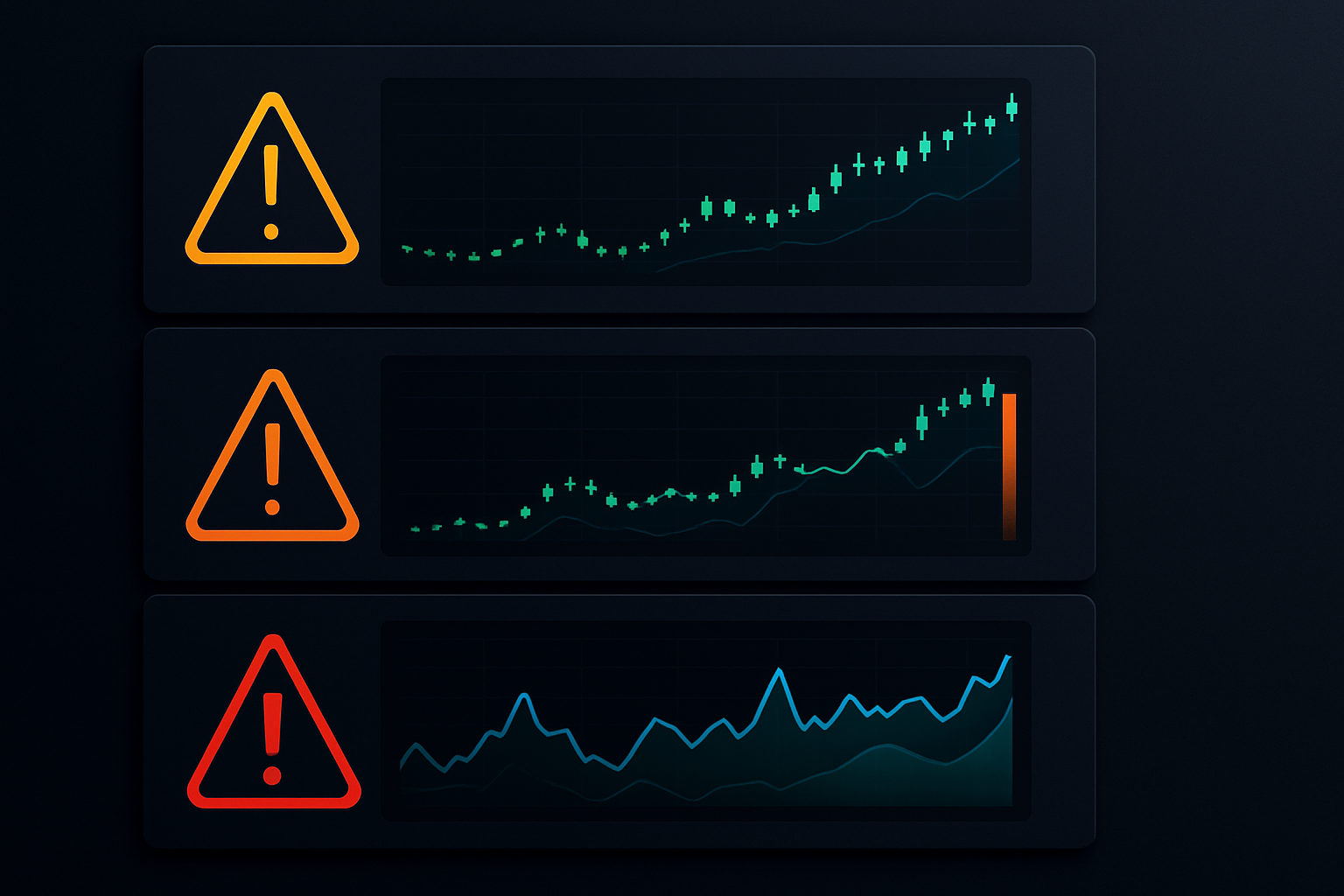
After tracking thousands of funding rate movements, I've developed a three-tier system that filters noise from genuine breakdown signals.
Tier 1: Yellow Alert (2-3x Normal Funding)
This happens frequently and often means nothing. During quarter-end or known events, funding can double without signaling crisis. I note it but don't trade it.
Tier 2: Orange Alert (3-5x Normal + Volume)
Now we're talking. When funding triples AND volume in forward markets spikes, institutions are actively hedging. This is where I start building positions. Entry rule: 25% of intended position size, stop loss at 1.5x daily ATR.
Tier 3: Red Alert (5x+ Normal + Spread Widening)
This is the 72-hour countdown. When funding explodes above 5x normal rates AND bid-ask spreads widen by 50%+, breakdown is imminent. Full position size, targeting 500-1000 pip moves.
The key is combining funding rates with other stress indicators. As covered in our swap rate inversion guide, multiple fixed income stress signals create the highest probability setups.
The South African Rand Case Study
March 2020 provided the cleanest funding rate signal I've ever traded. Here's the exact sequence:
March 16, 2020: USD/ZAR funding rates jump from 125 to 425 basis points overnight. Spot at 15.80. Most traders fixated on equity market chaos.
March 17: Funding hits 650 basis points. Forward points blown out. I enter short ZAR at 15.95, position size £2 million notional.
March 18: Funding peaks at 1,100 basis points — nearly 9x normal. Spread widening confirms institutional panic. I add to position at 16.20.
March 19: The dam breaks. USD/ZAR rockets to 18.50 in Asian trading. Exit full position at 18.20 for +825 pips.
That's the power of the 72-hour window. While spot traders waited for "confirmation," funding markets screamed the move three days early.
Current Market Application: Scanning for June 2026 Opportunities
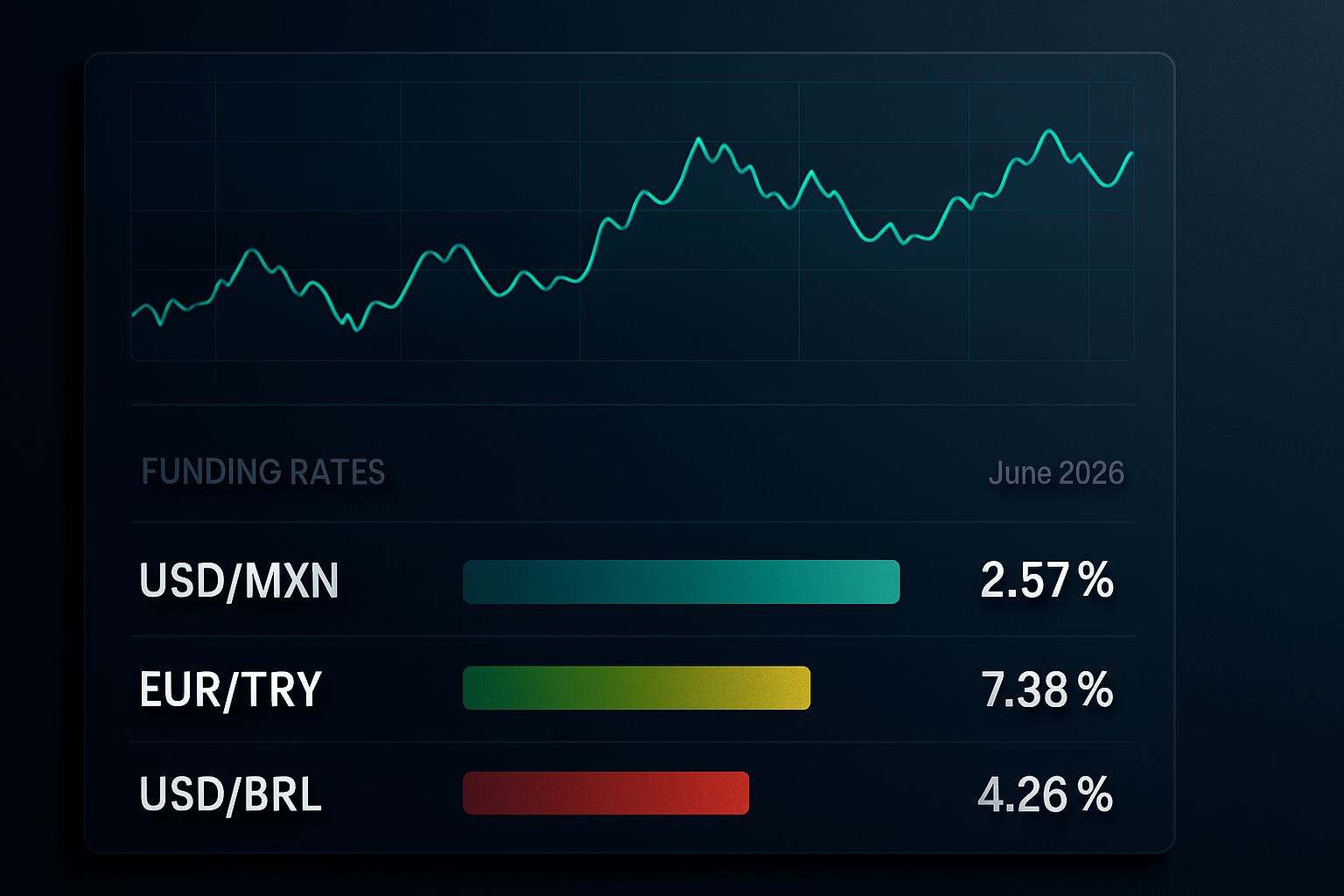
With markets in extreme fear mode (Fear & Greed at 12), funding markets are flashing multiple warnings. Here's my current watchlist:
USD/MXN: Funding at 3.2x normal levels. Monitoring for move above 5x as trigger for short peso position.
EUR/TRY: Already at 4.7x normal funding. Building position with 22.50 initial target.

USD/BRL: Early stress signs at 2.8x funding. On watch but not actionable yet.
The central bank balance sheet dynamics in emerging markets create particularly clear funding stress patterns during fear regimes.
The Technology Stack: Building Your Funding Monitor
You don't need a Bloomberg terminal to track funding stress. Here's my setup:
Data Sources:
- Broker swap rates (update daily at 5 PM EST)
- Interest rate futures spreads for confirmation
- Forward point feeds for real-time stress
Calculation:
1. Pull 20-day average funding rate for baseline
2. Calculate current rate as multiple of baseline
3. Flag any reading above 2x for manual review
4. Auto-alert on 3x with volume confirmation
I've coded this into TradingView using their API to pull broker data. Takes 30 minutes to set up, saves hours of manual checking.
Risk Management: The Non-Negotiables
Funding rate trades are high-conviction, high-reward setups. But they can also destroy accounts if mismanaged. My rules:
Position Sizing: Never more than 3% account risk, even on Tier 3 signals. These are volatile moves.
Stop Placement: Initial stop at 2x daily ATR from entry. As discussed in our stop loss methodology guide, fear markets require wider stops.
Time Stops: If breakdown doesn't materialize within 5 days, exit at breakeven. False signals happen, and funding costs eat returns.
Scaling Rules: Add only on continued funding stress. Never average down if rates normalize.
When Funding Signals Fail
Let me be clear: this strategy isn't perfect. I've had my share of false signals, particularly during central bank interventions.
September 2022: GBP funding rates spiked to 6x normal ahead of the Bank of England intervention. I was short cable, targeting parity. The BoE's emergency gilt purchases reversed the entire move. Stopped out for -180 pips.
The lesson? Central bank communication can override funding signals. Always have a stop, always respect it.
Integration with Multi-Timeframe Analysis
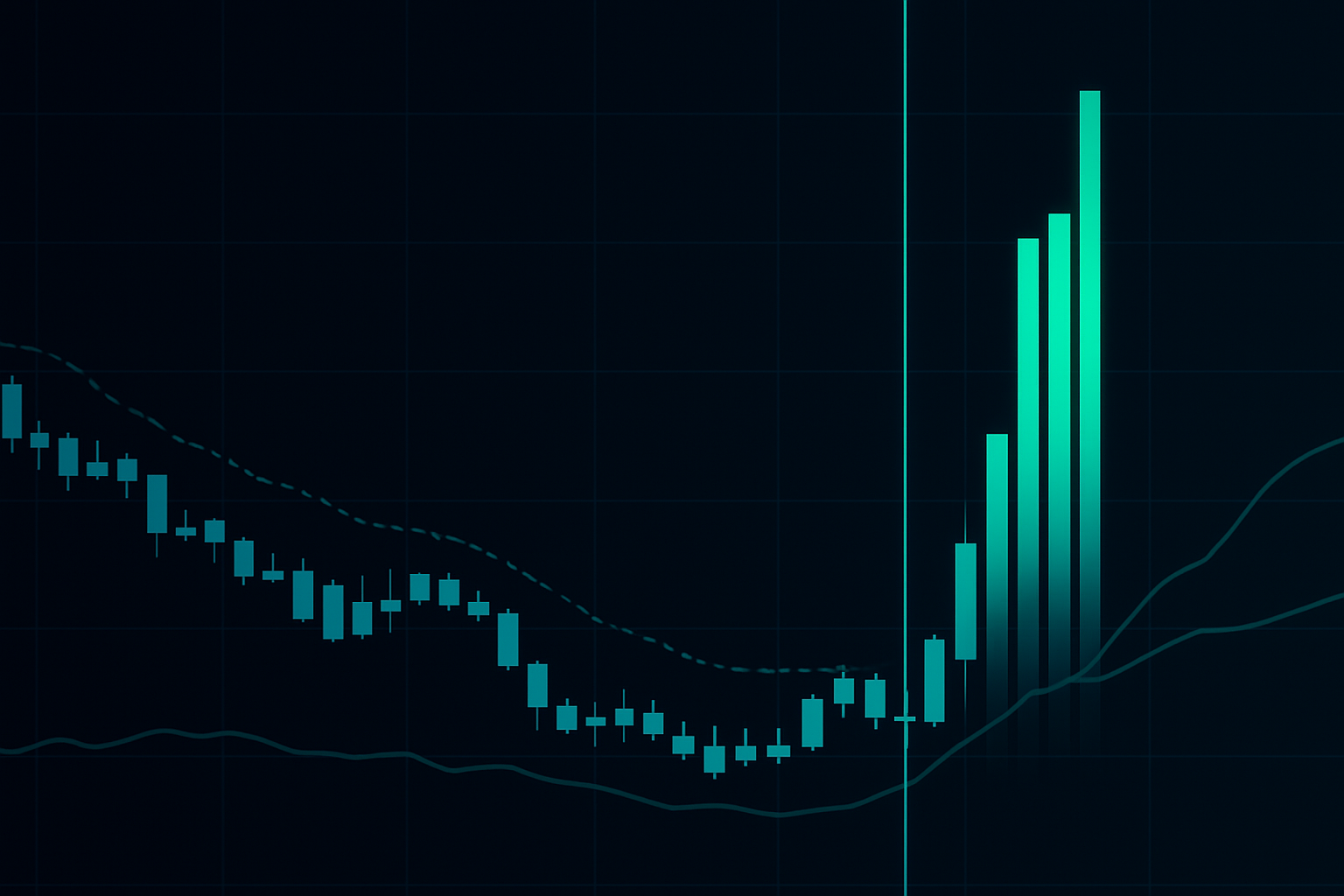
Funding rates work best as part of a complete framework. I combine them with:
- Microstructure order flow patterns for entry timing
- Options positioning data for directional confirmation
- Cross-asset correlations for broad risk-off validation
FibAlgo's multi-timeframe confluence alerts can help identify when funding stress aligns with technical breakdown levels, creating the highest probability setups.
The Professional Edge
After 14 years in forex, I can tell you this: most retail traders will never look at funding rates. They're too focused on chart patterns and indicators everyone else watches.
That's your edge.
While they wait for moving average crosses or support breaks, you'll see institutional stress building 72 hours early. You'll enter positions before the crowd, with better risk-reward ratios.
The overnight funding rate strategy isn't sexy. It requires patience, discipline, and the ability to act when others are complacent. But for those willing to do the work, it offers something rare in trading: a genuine institutional edge accessible to retail traders.
Start monitoring funding rates tonight. Build your watchlist. When the next currency breakdown comes — and in these fear markets, it will — you'll see it coming 72 hours before the headlines.
That's the difference between trading the news and trading the future.