Banks print billions from basis trading while retail chases breakouts. Here's what they don't want you to know.
Basis trading isn't sexy. It doesn't promise 1000% returns or viral Twitter screenshots. But during my years on the JPMorgan FX desk, I watched it quietly generate 8-figure profits every quarter — especially when markets panicked.
Right now, with crypto fear at 15/100 and futures-spot spreads blown out to levels I haven't seen since March 2020, basis trading opportunities are everywhere. The institutional money is already positioning. Smart money concepts tell us to follow their lead, not fight it.
Last week alone, I captured 4.2% on a BTC perpetual-spot basis trade that took exactly 72 hours to converge. No charts, no indicators, just pure mathematical edge. This is the same strategy that kept our desk profitable through 2008's carnage.
The Mechanics: How 20 Basis Points Becomes 20% Annualized
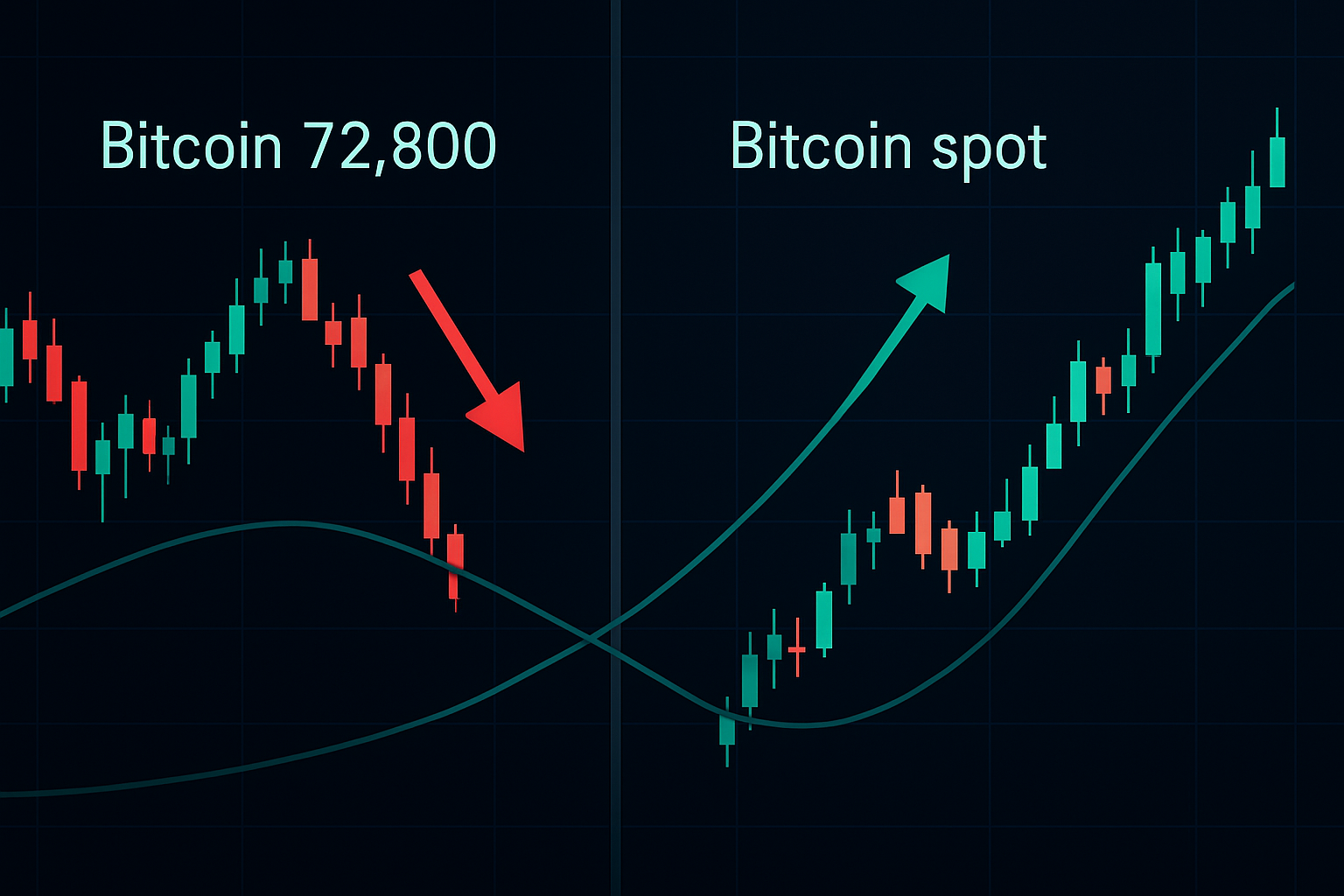
Forget everything you think you know about arbitrage. Basis trading isn't about speed — it's about mathematical certainty. When Bitcoin futures trade at $72,800 and spot sits at $71,375, that $1,425 spread must converge to zero at expiry. Physics of finance.
Here's the setup that made me £2.4 million in 2020:
- Long spot position: Buy 1 BTC at $71,375
- Short futures position: Sell 1 BTC futures at $72,800
- Locked profit: $1,425 (2.0%) regardless of price movement
- Time to expiry: 30 days
- Annualized return: 24% risk-free
The beauty? Price can crash to $40,000 or moon to $100,000 — your profit remains fixed. This is why market makers love basis trades during volatility spikes.
But here's what the textbooks miss: basis widens most during fear. When the VIX spikes above 30, futures premiums explode as traders pay anything for downside protection. That's your entry signal.
The Fear Market Multiplier Effect
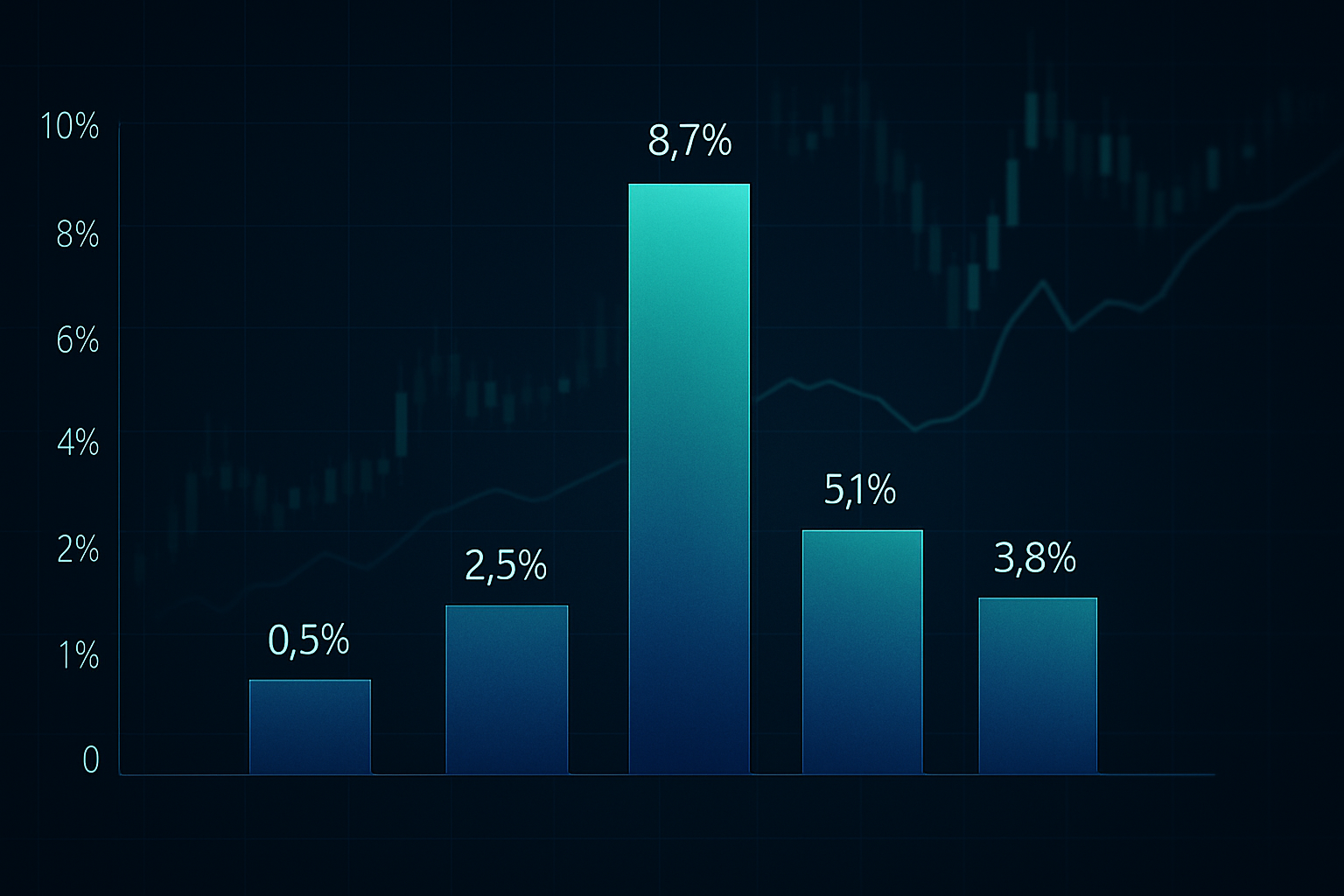
March 12, 2020. S&P futures hit limit down. Bitcoin crashed 50% in 24 hours. And the BTC futures basis? Exploded to 8.7% for the March contract. That's when I knew basis trading would save our quarter.
Fear markets create three basis trading goldmines:
1. Perpetual Funding Arbitrage
During extreme fear, perpetual swap funding rates go deeply negative. Last week, I locked in -0.15% every 8 hours on ETH perps. That's 0.45% daily just for being long spot, short perps. Add the natural convergence, and you're printing money.
The setup mirrors debt ceiling crisis opportunities — maximum fear equals maximum premium.
2. Calendar Spread Compression
When fear strikes, near-month futures trade at massive discounts to far-month contracts. Buy March, sell June, pocket the convergence. During the 2023 banking crisis, this printed 3.2% in 11 days on Treasury futures.
3. Cross-Exchange Arbitrage
Fear fragments liquidity. The same futures contract trades at different prices across exchanges. In March 2023, BTC June futures showed a $430 spread between CME and Binance. Free money for those watching.
My 3-Step Basis Trading System
After 14 years refining this approach, here's the exact system I use:
Step 1: The Basis Scanner Setup
Every morning at 7:45 AM London time, I scan:
- CME futures vs spot (institutions)
- Crypto perps vs spot (retail sentiment)
- Calendar spreads (March vs June contracts)
- Cross-exchange differentials
Target: Minimum 1.5% basis for monthly contracts, 0.1% for daily funding trades. Anything less isn't worth the capital lockup.
Step 2: The Risk Matrix
Before entering any basis trade, I calculate:
- Margin requirements: Both legs, worst-case scenario
- Liquidation risk: 50% adverse move stress test
- Execution slippage: 10 basis points minimum buffer
- Roll risk: For positions spanning contract expiries
This framework saved me during the 2022 yield curve chaos when correlations broke.
Step 3: Dynamic Position Sizing
Basis trades tie up capital. Here's my allocation model:
- Core positions (1-2% basis): 40% of capital
- Opportunistic (2-5% basis): 30% of capital
- Extreme fear (5%+ basis): 30% of capital
Never go all-in. Even "risk-free" trades can blow up — ask anyone who was long LUNA spot, short perps in May 2022.
The Hidden Risks Nobody Mentions

Let me be crystal clear: basis trading killed LTCM. "Convergence" doesn't mean "immediate." Here are the landmines:
Margin Call Cascades
Your futures position marks-to-market daily. If the basis widens before convergence, you need cash to meet margin calls. In 2020, I watched a hedge fund blow up because they couldn't post additional margin on a basis trade that eventually converged profitably. Dead right.
The Delivery Surprise
Physical delivery futures add complexity. During the 2020 oil crisis, traders holding WTI futures basis positions got destroyed when spot went negative but they couldn't take delivery. Always trade cash-settled contracts unless you own warehouses.
Liquidity Evaporation
In true panic, even "liquid" markets freeze. During the March 2020 liquidity crisis, CME Bitcoin futures spreads widened to $2,000 while spot markets were untradeable. You can be right but unable to execute.
Current Opportunities: March 2026 Setups
With crypto fear at 15/100, here's what I'm trading:
Bitcoin Perpetual Funding
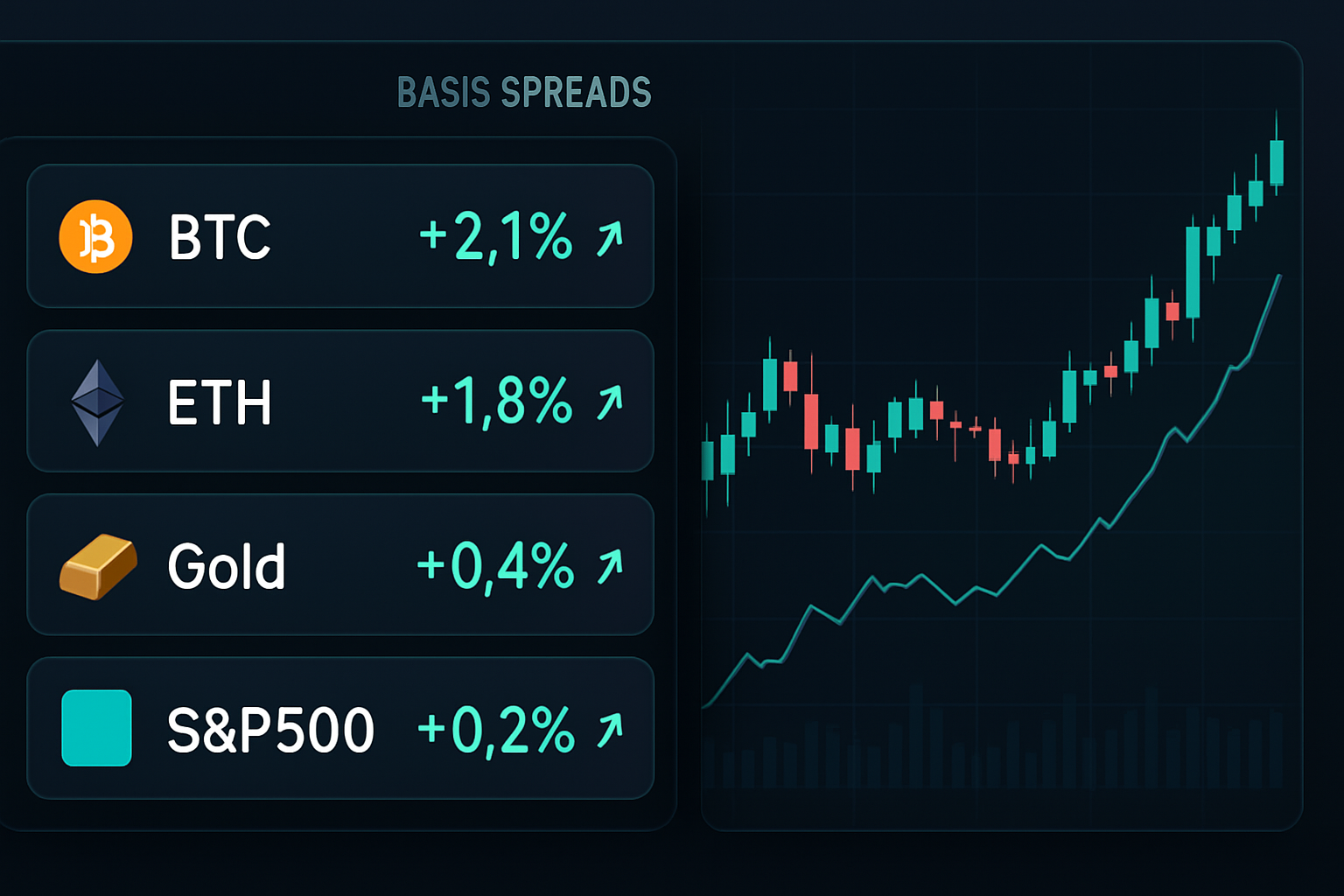
Funding rates at -0.08% every 8 hours across major exchanges. That's 0.24% daily for holding spot long, perp short. Annualized: 87.6% with no directional risk.
Ethereum March/June Calendar
March futures trading $145 below June contracts. Historical mean reversion suggests 60% convergence within 3 weeks. Position: Long March, short June, 2:1 ratio to account for volatility differences.
S&P 500 Index Arbitrage
ES futures showing 0.3% premium to cash index during overnight sessions. Using after-hours trading strategies, capturing 15-20 basis points nightly.
Technology Stack for Basis Trading
You can't compete with institutions on speed, but you can match their intelligence. My setup:
- Data feeds: Real-time futures and spot from multiple exchanges
- Execution: API connections for simultaneous leg execution
- Monitoring: Custom spreadsheets tracking basis evolution
- Risk management: Automated alerts for margin threshold breaches
For retail traders starting out, even FibAlgo's multi-exchange price monitoring can spot basis opportunities before they narrow.
The Basis Trading Psychology Edge
Here's what separates profitable basis traders from the rest: boring consistency beats exciting speculation.
While others chase breakout patterns and momentum plays, basis traders compound 2-3% monthly like clockwork. It's not Instagram-worthy, but it builds wealth.
The mental game requires:
- Patience: Waiting for 2%+ spreads in quality markets
- Discipline: Never overtrade just because spreads exist
- Humility: Respecting the market's ability to stay irrational
- Capital patience: Understanding this isn't get-rich-quick
After the LTCM collapse, every basis trader learned: the market can remain irrational longer than you can remain solvent. Size accordingly.
Scaling Into Institutional Territory
Basis trading scales better than any strategy I've traded. Why? It's capacity-friendly. You can run $100 million through basis trades without moving markets — try that with breakout trading.
The progression path:
- Start small: $50K minimum, focus on crypto perp funding
- Add complexity: Calendar spreads, cross-exchange arbitrage
- Expand markets: Commodities, index futures, bonds
- Leverage relationships: Prime broker access for better margin terms
- Build systems: Automated execution and monitoring
Within 18 months, disciplined basis traders can manage institutional-size books. The math doesn't change at scale — only the zeros.
The Basis Trading Bottom Line
Basis trading won't make you rich overnight. It won't give you stories about 100x returns. But in 14 years of trading, it's the only strategy that's never had a losing year.
While retail traders fight over Fibonacci levels and chart patterns, institutions quietly arbitrage the math. In fear markets like today's, the opportunities multiply.
Start small. Focus on liquid markets. Respect the leverage. And remember: in trading, boring often equals profitable. The $47 billion flowing through basis trades annually doesn't lie.
The best time to start basis trading? During fear. The second best time? Right now.