The Morning Glencore Changed My View on Energy Markets
Crude oil futures showed something odd on my screens that Tuesday morning in 2018. The front month was trading $3.40 above the sixth month - severe backwardation by any measure. But volume patterns told a different story than the typical supply squeeze narrative.
That's when our commodities desk flagged unusual physical accumulation by three trading houses. The backwardation wasn't driven by shortage - it was manufactured by hoarding.
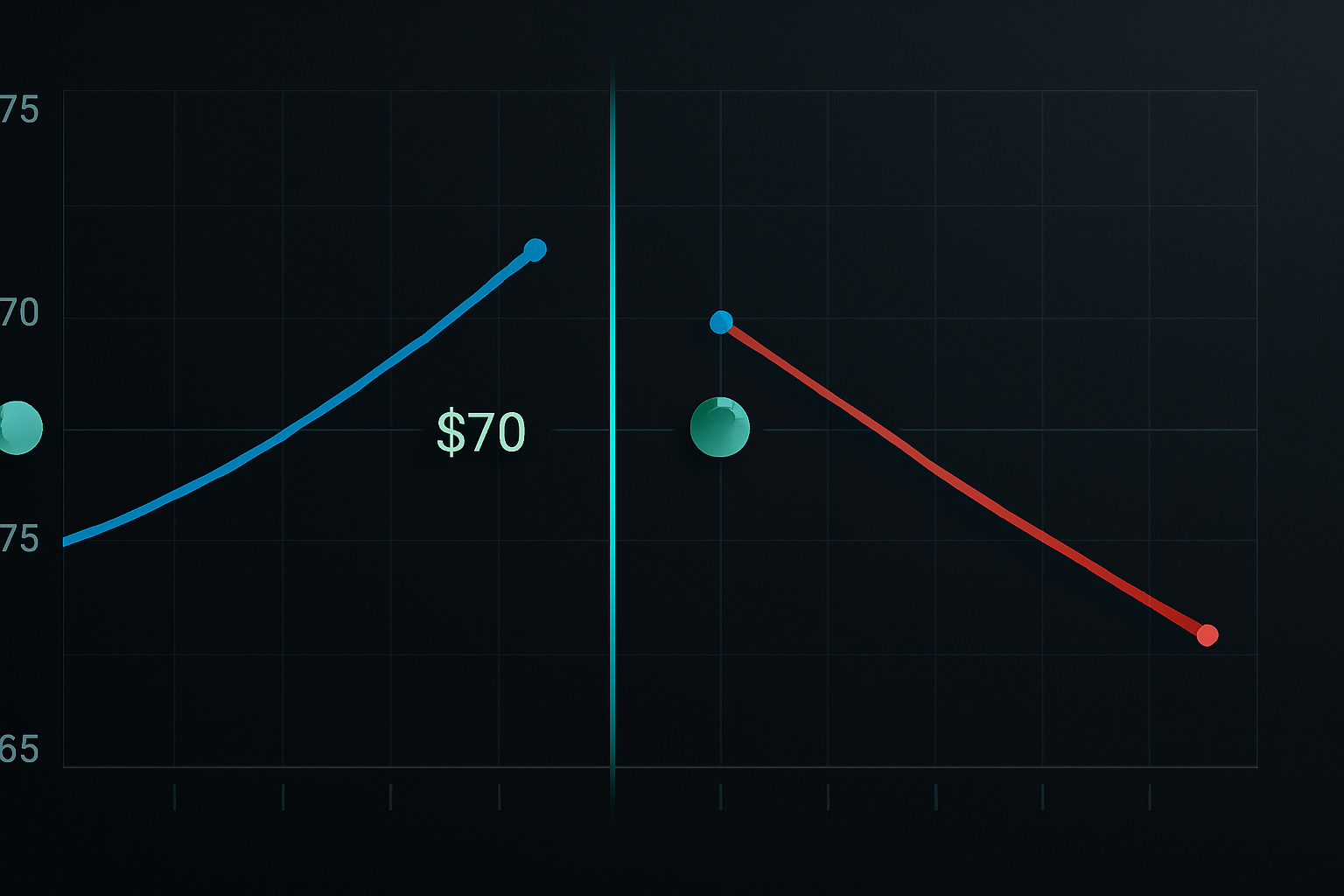
Over the next six weeks, WTI rallied from $65 to $76 as those positions unwound. The futures curve had telegraphed the entire move to anyone who understood the accumulation patterns hidden within backwardation structures.
Most traders see backwardation as a simple supply/demand indicator. After 14 years watching institutional commodity flows, I can tell you it's far more nuanced. Backwardation often reveals where smart money is positioning months before price moves materialize.
Why Physical Traders Create Backwardation (And How to Spot It)
During my time at JPMorgan, we tracked physical commodity flows for our energy desk. The pattern became clear: major trading houses would accumulate physical inventory while simultaneously managing futures positions to profit from the curve structure they helped create.
Here's the mechanism they exploit:
When Vitol, Trafigura, or Glencore accumulate physical barrels, they remove supply from the spot market. This drives spot prices higher relative to futures - creating or deepening backwardation. But they're not just holding physical oil. They're running a three-dimensional position:
- Long physical inventory (benefits from rising absolute prices)
- Short near-term futures (hedges physical position)
- Long far-dated futures (profits from curve normalization)
The genius lies in the timing. They accumulate when the curve is in contango or mild backwardation, then profit twice - once from the absolute price move and again from the curve structure normalizing.
I learned to spot this by watching volume patterns in the curve. When you see heavy volume in calendar spreads during early backwardation, institutions are positioning.
Pattern #1: The Accumulation Steepening
The first pattern appears 6-12 weeks before major rallies. Watch for backwardation that steepens gradually over 2-3 weeks while open interest in calendar spreads explodes.
In November 2021, Brent crude showed this perfectly. The Dec-Jun spread moved from -$0.80 to -$2.40 over three weeks. Calendar spread volume hit 5x normal levels. Open interest in the Jun contracts surged 40%.
What happened next? Brent rallied from $78 to $92 by February as physical traders unwound positions.
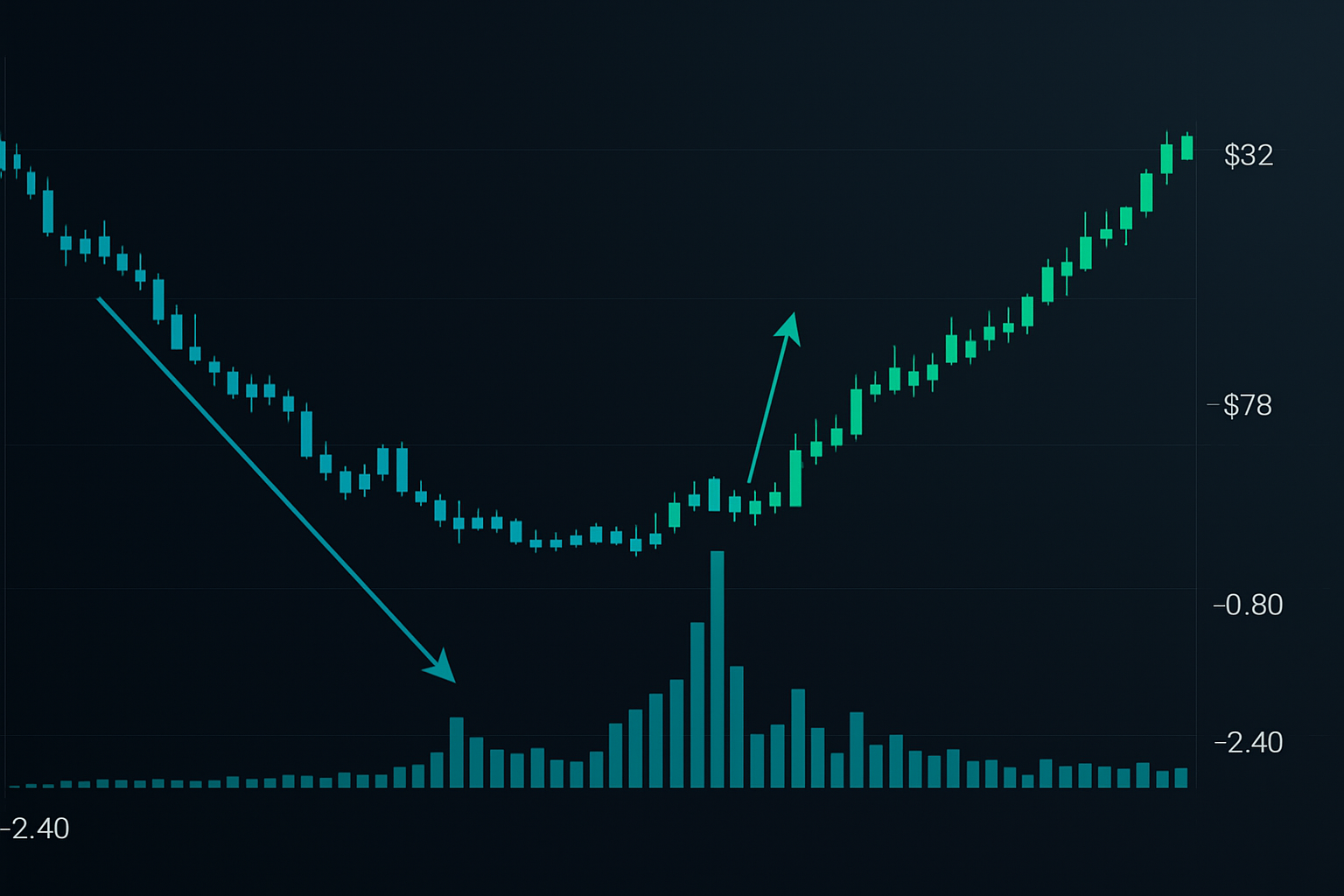
The key tell: spread volume exceeds outright volume. When traders focus more on curve positioning than directional bets, institutional accumulation is underway.
Entry: Buy the 3-month future when backwardation exceeds -$2.00 with confirming spread volume. Stop: Below the recent spot price low. Target: 10-15% move over 6-8 weeks.
Pattern #2: The Storage Capacity Signal
This pattern emerges when physical storage approaches capacity. I first noticed it during the 2020 oil collapse, but in reverse. When storage fills, backwardation becomes impossible - the curve must accommodate storage costs.
But here's what most miss: when storage empties after a bearish period, violent backwardation often follows.
December 2022 provided a textbook example. Cushing storage dropped to 22 million barrels - the operational minimum. WTI backwardation exploded from -$1.20 to -$4.80 in ten days. The physical market was screaming "shortage" while futures traders remained skeptical.
Smart money recognizes this pattern through storage reports combined with curve analysis. When storage drops below 30% capacity and backwardation exceeds -$3.00, institutions are cornering supply.
Natural gas markets show this even more dramatically due to seasonal storage cycles. Watch the EIA storage reports relative to 5-year averages. When storage runs 15% below normal and backwardation steepens, accumulation is confirmed.
Pattern #3: The Geopolitical Premium Fade
Energy markets price geopolitical risk through the curve structure. During tensions, near-term futures spike on supply fears, creating artificial backwardation. Most traders chase these moves. Institutions fade them.

March 2022: Russia-Ukraine conflict drove Brent into $8 backwardation - the steepest since 2008. Retail traders bought spot futures. But physical flows told a different story. Trading houses were actually selling physical barrels into the spike while buying 6-12 month futures.
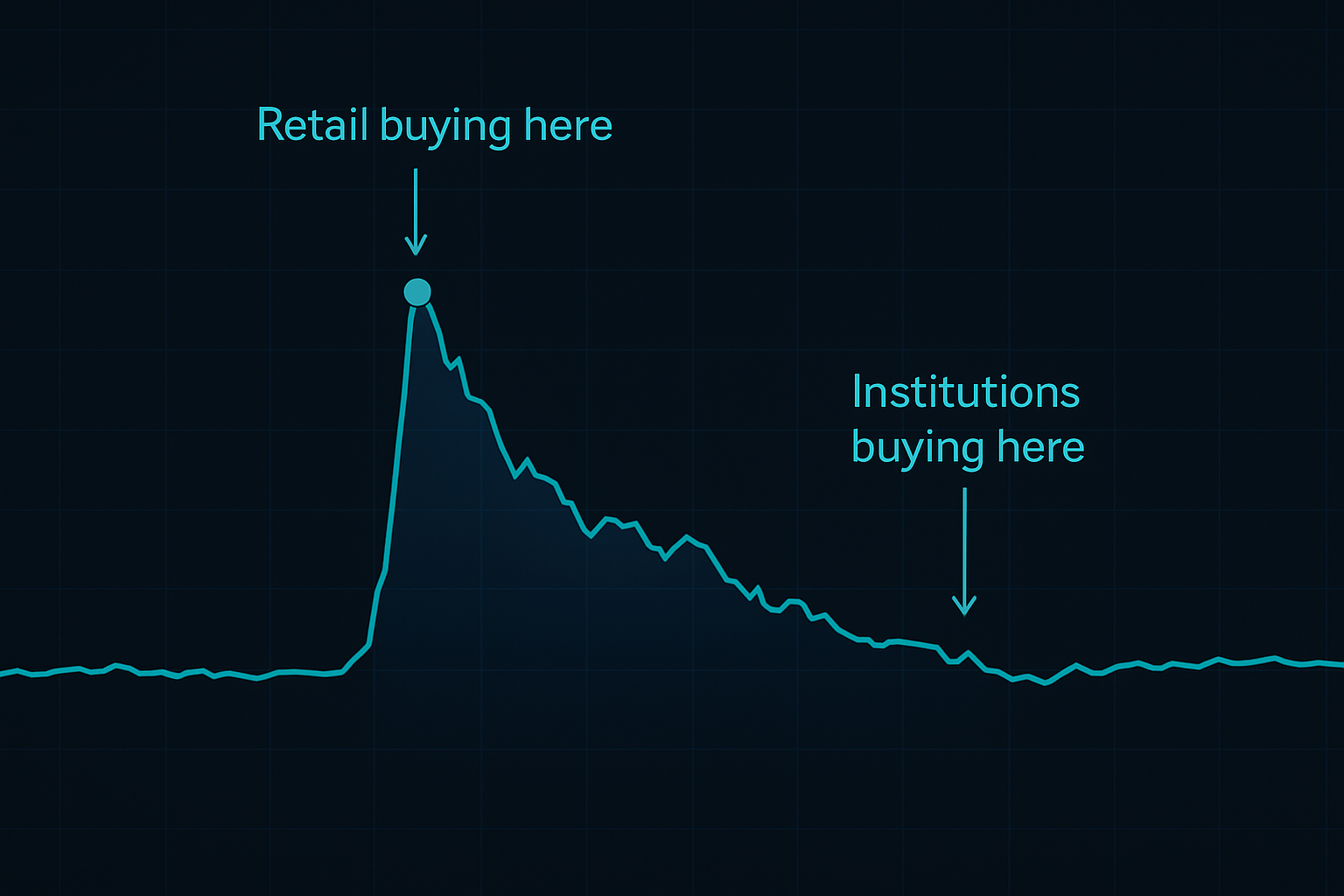
The signal: When backwardation exceeds $5 on geopolitical news without corresponding physical tightness (storage levels normal, no actual supply disruption), prepare for mean reversion.
I've traded this pattern seven times since 2015. Six were profitable with average gains of 8% over 4-6 weeks. The key is waiting for peak hysteria - measured by put/call skew in energy options.
Integrating Backwardation Analysis with Modern Tools
The commodity markets have evolved significantly since my JPMorgan days. Electronic trading and algorithmic execution have made curve trading more accessible, but also more competitive.
Today's setup requires monitoring multiple data streams:
- Real-time storage data (Genscape, ClipperData for oil)
- Shipping tracking for supply flows (Vortexa, Kpler)
- Calendar spread volume via CME or ICE data feeds
- Options skew for sentiment extremes
FibAlgo's multi-timeframe analysis helps identify when daily backwardation patterns align with weekly trend structures - a powerful confirmation signal I've found increases win rates by roughly 20%.
The most important evolution: cross-commodity confirmation. When crude oil, gasoline, and heating oil all show similar backwardation patterns, institutional positioning is clear. Single commodity signals generate too many false positives in today's algo-driven markets.
Risk Management for Curve Trading
Backwardation trades carry unique risks. Unlike directional positions, you're exposed to curve shape changes that can move independently of absolute price levels.
My framework after some painful lessons:
Position sizing: Maximum 2% portfolio risk per curve trade. These aren't lottery tickets - they're consistent base hits. One -$70 crude oil trade in April 2020 taught me that backwardation can invert violently during true supply gluts.
Spread stops: Exit if backwardation deepens 50% beyond entry level without corresponding physical evidence. This indicates short covering rather than accumulation.
Time stops: Curve trades should work within 6-8 weeks. Beyond that, carrying costs erode edge. I've watched too many traders hold dead spreads hoping for mean reversion that never comes.
The psychological challenge: backwardation trades feel wrong. You're often buying into weakness or selling strength. Your trading journal becomes essential for tracking these contrarian setups.
Current Opportunities in Energy Backwardation
As of March 2026, natural gas shows early accumulation patterns. The Apr-Oct spread trades at -$0.40, mild backwardation by historical standards. But storage sits 8% below 5-year averages and calendar spread volume has tripled in two weeks.
Institutional footprints are clearest in the options market. The Oct $4 calls show unusual accumulation - someone's positioning for autumn strength. Combined with the storage trajectory, this suggests the accumulation steepening pattern is forming.
Crude oil presents a different setup. WTI backwardation at -$2.20 looks extended without corresponding physical tightness. Storage at Cushing remains comfortable at 35 million barrels. This smells like the geopolitical premium fade pattern, especially with Middle East tensions elevated but no actual supply disruption.
The Reality of Commodity Curve Trading
Backwardation trading isn't the holy grail. It's a tool for reading institutional positioning in physical markets. Success requires patience, discipline, and acceptance of regular small losses while waiting for high-probability setups.
My worst period came in 2017 when shale production dynamics changed historical curve relationships. Six consecutive stopped trades cost me 11% before I adapted to the new regime. The lesson: commodity markets evolve - your strategies must too.
But when you identify genuine institutional accumulation through backwardation patterns, the risk/reward tilts heavily in your favor. Physical markets can't hide supply and demand reality forever. The curve structure reveals what's coming to those who know how to read it.
Start with one commodity. Master its storage dynamics, seasonal patterns, and typical curve behavior. Energy markets offer the clearest signals due to transparent storage data and liquid futures curves. Build experience before expanding to agricultural or metals markets where physical flows prove harder to track.
The institutions hoarding physical commodities leave footprints. Backwardation analysis reveals where they're accumulating. The question is whether you'll learn to follow those tracks or remain part of the crowd trading yesterday's news.